Arabic Translation Services for Gulf Market Entry.
18 November, 2024· Article by Taylor Anderson

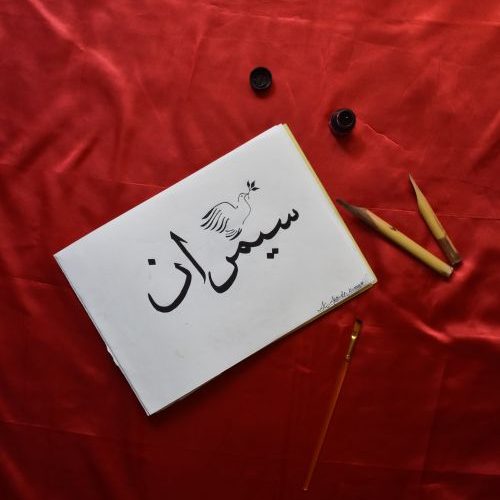
Why Arabic Is Never One Language in Practice
Companies that plan to enter the Gulf or North Africa often assume Arabic is a single block. In reality it splits into a formal written standard and dozens of spoken varieties. A message that works in Cairo may sound stiff in Riyadh and odd in Casablanca. The written standard unites readers but the market still responds to tone and local references. Knowing this early shapes budgets and timelines. It also explains why a quick machine pass rarely satisfies a serious buyer in the region.
None of this works on autopilot, however detailed the checklist looks. Entering a Gulf market means entrusting contracts, product pages and customer messages to people who understand both the language and the business culture behind it, which is why many firms rely on professional translation services rather than ad hoc help from bilingual staff. A dedicated provider can keep one voice across legal, technical and marketing content. That consistency is often what makes a new market feel familiar to customers.
Modern Standard Arabic and Regional Voices
Official documents and news and most websites use Modern Standard Arabic. Advertising and social media lean on regional speech to feel close to the audience. A brand should decide which register fits each channel. A legal contract needs the formal standard. A short video for young shoppers may need a dialect flavor. Teams that mix them without a plan produce content that feels confused and loses the trust they hoped to earn.
Right to Left Layout Is Not a Detail
Arabic reads from right to left and numbers run left to right inside the same line. This mix breaks many templates. Buttons and menus and tables must mirror their layout. Images with text need new versions. A page that looks fine in English can turn chaotic once the text is replaced. Plan design time into the project from the start. Testing on real devices with native readers catches problems that screenshots hide.
What to Look For in a Provider
Experience with your sector matters more than a long list of languages. Ask for samples and for references. Check whether the team uses native Arabic speakers who live in the target market. Companies seeking arabic translation services should also ask who reviews the final text and how disputes about wording are settled. A clear process gives you a predictable result. A vague process usually means surprises close to the deadline.
Names Dates and Numbers
Personal names written in Latin letters can be transliterated in several ways. Pick one spelling and use it everywhere. Dates may follow the Gregorian or the Hijri calendar and some documents show both. Numbers can use Western or Eastern digits depending on country and context. A style guide that fixes these choices saves hours of correction. It also prevents a contract from showing two spellings of the same signer which can raise questions from authorities.
Legal and Official Documents
Courts and ministries in Arab countries have their own rules for accepting foreign papers. Many require legalization and a sworn translation. Requirements differ from country to country and change over time. Always ask the receiving authority for its current list before ordering work. Keep original copies safe because stamps and signatures cannot be recreated. A small mistake in order of steps can cost weeks and lead to repeated fees.
Marketing Content and Cultural Fit
Slogans and jokes seldom survive a word for word transfer. Colors and images carry meanings that vary by culture. A local reviewer can flag a harmless phrase that carries an unexpected overtone. Adapt rather than copy. Many successful brands write fresh Arabic copy guided by a brief and not by the English text. The goal is to make the reader feel the message was written for them and not carried over from another market.
Where Technology Helps
Software can sort files and keep glossaries and speed up repetitive work. Teams that handle many projects often explore top ai tools to organize tasks and draft routine text. The final Arabic still needs a skilled human editor because tools struggle with context and register. Treat automation as an assistant that prepares the ground. The editor makes the decisions. This division of labor keeps quality high while moving faster than a fully manual process.
Terminology for Technical and Medical Fields
Technical fields in Arabic mix borrowed terms and coined ones and the choice differs by country. Build a glossary with approved terms and share it with every translator. Ask your local partner which terms their customers use. Standards bodies and universities in the region sometimes publish preferred wording. Consistent terminology makes products easier to support and documents easier to audit. It also speeds up future projects since decisions are already made.
Quality Control Before Launch
Ask a second native speaker to read the final text with fresh eyes. Check the layout in the finished format and not only in a text file. Click every link and test every form. Confirm that dates and prices display in the expected direction. This pass takes a day and prevents embarrassing errors in public. Keep a record of corrections so the next project starts from a better base and fewer surprises appear.
Confidentiality and Data Handling
Business documents often contain prices and strategies. Ask how your provider stores and deletes files. Request a signed agreement before sending sensitive material. Use encrypted channels. Limit access to named staff. A professional partner treats these requests as normal. Reading about regional language backgrounds in a source like the Encyclopaedia Britannica entry on the Arabic language helps teams brief their providers on the context behind each project and ask smarter questions.
Planning a Realistic Rollout
Start with a pilot in one market and one content type. Measure results and gather feedback from local partners. Expand only after you fix the first problems. Use the pilot to test your glossary and your layout templates. Keep a calendar for updates since websites and manuals change often. Institutions such as UNESCO mark World Arabic Language Day each year and show how seriously the language is treated. Matching that care in your content earns respect and long term loyalty from customers. Finally keep a living style guide for every Arabic project. Record the chosen spelling of names and the approved terms and the tone for each channel and the reviewers who sign off. Share it with every agency and freelancer who touches your brand. When staff change the guide keeps the voice steady and new contributors start with confidence. Update it after each launch with lessons from customer feedback so the next campaign begins from a stronger base and avoids repeating old mistakes.
Recent Posts
How NGOs Can Plan Interpreting...

Ukrainisch im Behördenalltag,...
Services publics et usagers al...

How Agencies Compare Translati...

Traduzione in Arabo per Aziend...

Traduzione in Italiano di Vide...
Share it.

Links
We use cookies
We use cookies to give you the best online experience, remember your preferences, and understand how the site is used. You can accept all cookies, reject optional ones, or choose which categories to allow.
Privacy PolicyCookie preferences
Choose which cookies we can use. Necessary cookies stay on because the site cannot work without them.
For more details, read our Privacy Policy.